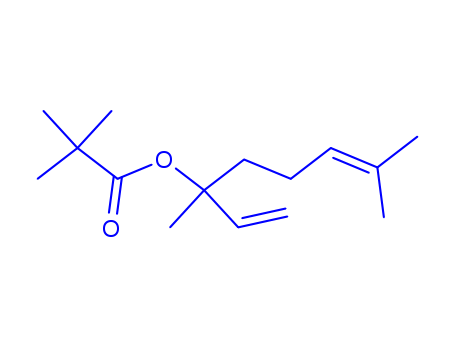
1,5-Dimethyl-1-vinylhex-4-enyl pivalate
- Name: 1,5-Dimethyl-1-vinylhex-4-enyl pivalate
- CAS: 83846-55-3
- Purity: 99%
Details
Factory Supply industrial standard 1,5-Dimethyl-1-vinylhex-4-enyl pivalate 83846-55-3 In Stock
- Molecular Formula: C15H26O2
- Molecular Weight: 238.37
- Vapor Pressure: 0.00518mmHg at 25°C
- Refractive Index: 1.455
- Boiling Point: 275.2 °C at 760 mmHg
- Flash Point: 72.9 °C
- PSA: 26.30000
- Density: 0.888 g/cm3
- LogP: 4.26680
1,5-Dimethyl-1-vinylhex-4-enyl pivalate(Cas 83846-55-3) Usage
|
Physical state |
Colorless to pale yellow liquid |
|
Aroma |
Fruity |
|
Usage |
Flavoring agent in food and beverage industry |
|
Natural occurrence |
Found in fruits like apples and blueberries |
|
Additional uses |
Production of perfumes and cosmetics |
|
Safety |
Generally recognized as safe (GRAS) by the FDA |
|
Application |
Used as a fragrance ingredient in personal care products and household items |
|
General Description |
1,5-Dimethyl-1-vinylhex-4-enyl pivalate is a chemical compound with the molecular formula C14H24O2. It is a colorless to pale yellow liquid with a fruity aroma, often used as a flavoring agent in the food and beverage industry. 1,5-Dimethyl-1-vinylhex-4-enyl pivalate is commonly found in various fruits, such as apples and blueberries, and is also used in the production of perfumes and cosmetics. It is considered to be relatively safe for human consumption and is generally recognized as safe (GRAS) by the Food and Drug Administration (FDA). Additionally, it is used as a fragrance ingredient in personal care products and can be found in various household items. |
InChI:InChI=1/C15H26O2/c1-8-15(7,11-9-10-12(2)3)17-13(16)14(4,5)6/h8,10H,1,9,11H2,2-7H3
83846-55-3 Relevant articles
Dendronized cyclocopolymers with a radial gradient of polarity and their use to catalyze a difficult esterification
Liang, Catherine O.,Helms, Brett,Hawker, Craig J.,Frechet, Jean M. J.
, p. 2524 - 2525 (2003)
A cyclocopolymer containing pyrrolidinop...
Effects of polymer architecture and nanoenvironment in acylation reactions employing dendritic (Dialkylamino)pyridine catalysts
Helms, Brett,Liang, Catherine O.,Hawker, Craig J.,Frechet, Jean M. J.
, p. 5411 - 5415 (2008/02/01)
The role of architecture and nanoenviron...
Insecticidal properties of monoterpenoid derivatives to the house fly (Diptera: Muscidae) and red flour beetle (Coleoptera: Tenebrionidae)
Rice,Coats
, p. 195 - 202 (2007/10/03)
-
83846-55-3 Process route
-
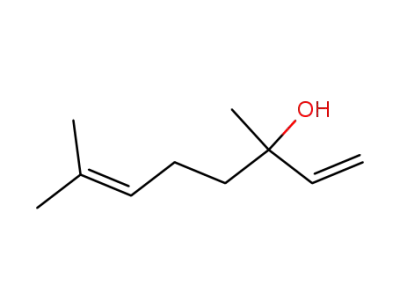
-
78-70-6
3,7-dimethylocta-1,6-dien-3-ol

-
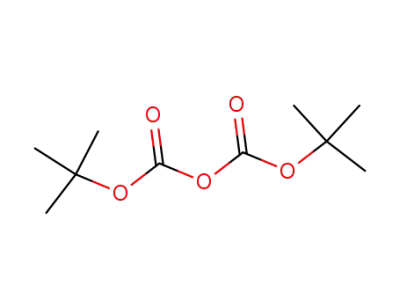
-
24424-99-5
di-tert -butyl dicarbonate

-
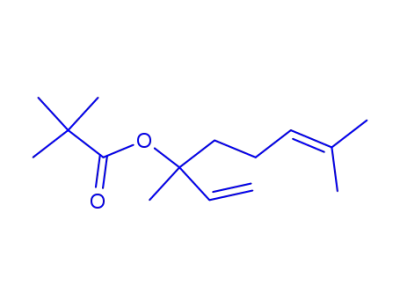
-
83846-55-3
Linalyl pivalate
| Conditions | Yield |
|---|---|
|
With
triethylamine;
alkyl terminated dendronized cyclocopolymer;
In
tetralin; cyclohexane;
at 60 ℃;
for 168h;
|
-
-
78-70-6
3,7-dimethylocta-1,6-dien-3-ol
-
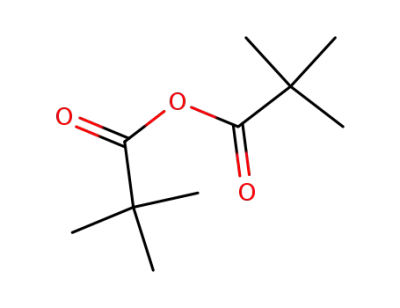
-
1538-75-6
2,2-dimethylpropanoic anhydride
-
-
83846-55-3
Linalyl pivalate
| Conditions | Yield |
|---|---|
|
With
pyridine;
In
dichloromethane;
|
|
|
With
triethylamine;
In
cyclohexane;
at 60 ℃;
|
83846-55-3 Upstream products
-
78-70-6
3,7-dimethylocta-1,6-dien-3-ol
-
1538-75-6
2,2-dimethylpropanoic anhydride
-
24424-99-5
di-tert -butyl dicarbonate
Related Products
-
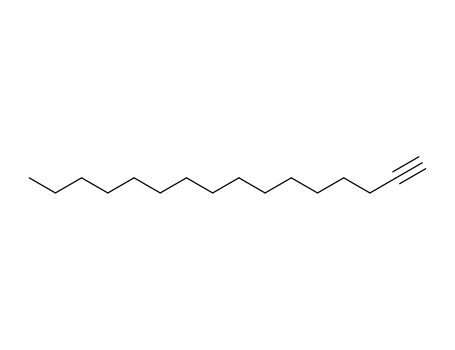 1-Hexadecyne
CAS:629-74-3
-
-
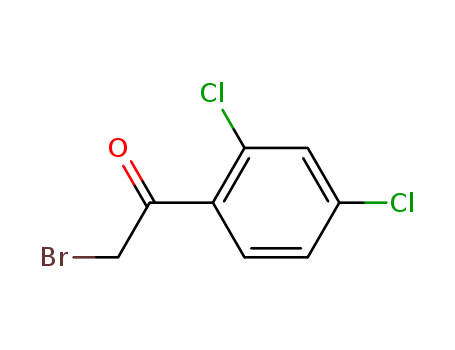 2-Bromo-2',4'-dichloroacetophenone
CAS:2631-72-3